



How Obesity Affects Women’s Fertility: A Gynecologist Explains
Fertility is deeply connected to a woman’s overall health. One of the most common yet often overlooked factors affecting fertility today is obesity. Many women trying to conceive are unaware that excess weight can influence hormonal balance, ovulation, and even pregnancy outcomes.
At DR Multispeciality Hospital, Chennai, our gynecologists regularly guide women who face fertility challenges linked to weight and lifestyle. The good news is that with the right awareness and medical support, many of these challenges can be managed effectively.
This guide explains how obesity affects women’s fertility and what steps can help improve reproductive health.
What Is Considered Obesity
Obesity is usually assessed using Body Mass Index, commonly known as BMI. It helps doctors understand whether body weight may be affecting overall health and fertility.
When body fat increases beyond healthy levels, it can begin to interfere with hormone balance, menstrual cycles, and ovulation. Even a small rise in weight can sometimes impact reproductive health.
Common indicators of obesity:
- BMI above 25 is considered overweight
- BMI above 30 is considered obese
- Increased body fat can affect hormone production
- Higher risk of diabetes, thyroid issues, and PCOS
- Irregular menstrual cycles may begin to appear
Maintaining a healthy weight supports better hormonal and reproductive balance.
How Obesity Affects Female Fertility
Many women wonder why conception is taking longer than expected. In several cases, weight-related hormonal imbalance plays a role. Obesity can interfere with the natural reproductive process and reduce the chances of pregnancy.
Excess fat in the body affects estrogen and insulin levels. These hormonal changes can disturb ovulation and menstrual regularity.
Ways obesity can affect fertility:
- Hormonal imbalance affecting ovulation
- Increased estrogen levels
- Insulin resistance leading to irregular cycles
- Reduced chances of natural conception
- Difficulty predicting fertile window
Addressing weight concerns often helps improve fertility outcomes.
Hormonal Imbalance and Ovulation Problems
Hormones control the entire reproductive cycle. When hormonal balance is disturbed, ovulation may not occur regularly. This directly impacts fertility.
Excess weight can increase estrogen production and disrupt communication between the brain and ovaries. As a result, egg release becomes irregular.
Common hormonal effects:
- Irregular menstrual cycles
- Missed or delayed periods
- Reduced egg release from ovaries
- Difficulty tracking ovulation
- Changes in reproductive hormone levels
Restoring hormonal balance can significantly improve chances of conception.
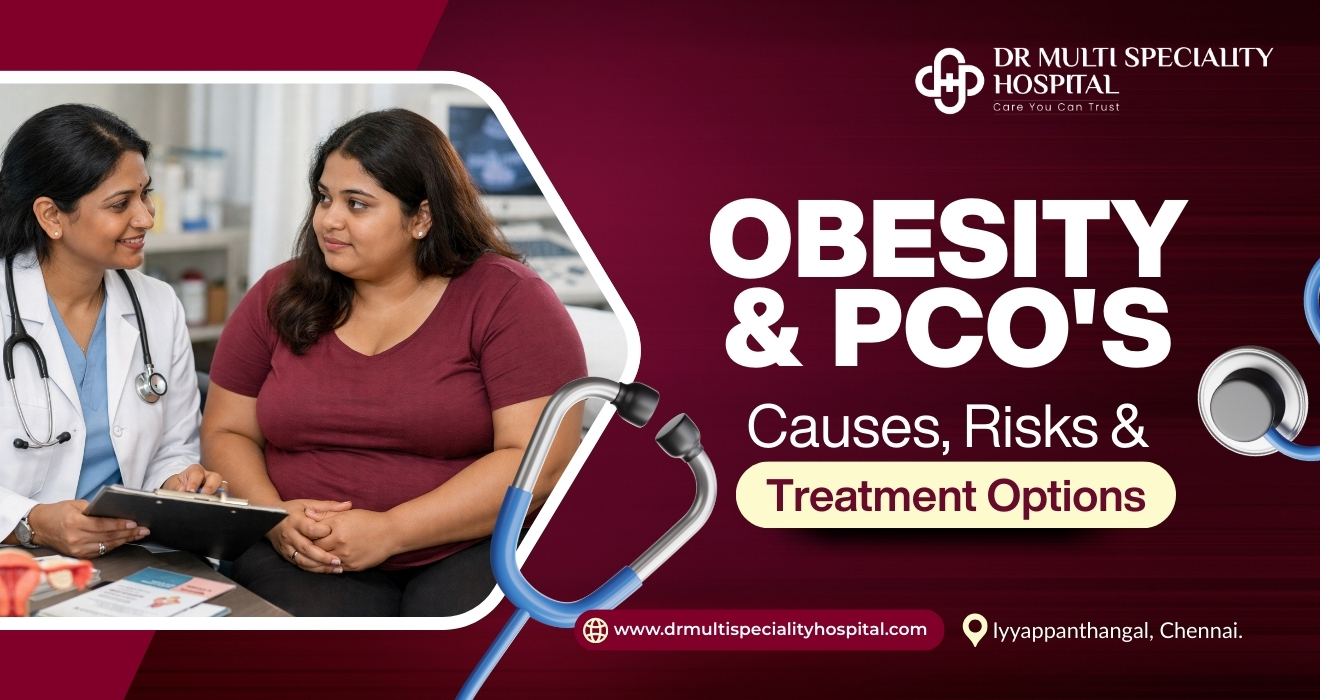
Obesity and PCOS Connection
Polycystic Ovary Syndrome is one of the most common causes of infertility among women. It is closely linked with obesity and insulin resistance. Women with PCOS often experience worsened symptoms with weight gain.
Even moderate weight reduction can help regulate periods and improve ovulation in women with PCOS.
PCOS symptoms linked with obesity:
- Irregular or absent periods
- Weight gain and insulin resistance
- Hormonal imbalance
- Difficulty conceiving
- Acne or excess hair growth
Proper medical guidance and lifestyle changes can help manage PCOS effectively.
Impact on Egg Quality
Fertility is not only about ovulation but also about egg quality. Healthy eggs are essential for successful fertilization and pregnancy. Obesity may influence egg development and reproductive function.
Inflammation and metabolic changes associated with obesity can affect ovarian health over time.
Possible effects on egg quality:
- Reduced egg quality
- Hormonal imbalance affecting egg development
- Lower chances of fertilization
- Reduced embryo quality
- Delayed conception
Improving overall health can positively influence egg quality.
How Obesity Affects Fertility Treatments
Women undergoing fertility treatments such as IVF or ovulation induction may face additional challenges if they are overweight. Weight can influence how the body responds to treatment.
Doctors often recommend achieving a healthier weight before starting certain fertility procedures.
Possible treatment challenges:
- Lower success rates in IVF
- Higher dosage of fertility medications
- Slower response to treatment
- Increased risk of complications
- Need for lifestyle modification before treatment
Weight management can improve treatment success and pregnancy outcomes.
Pregnancy Risks Linked to Obesity
Once pregnancy occurs, maintaining a healthy body weight continues to be important. Obesity during pregnancy can increase risks for both mother and baby.
Managing weight before conception supports a smoother pregnancy journey.
Common pregnancy risks:
- Gestational diabetes
- High blood pressure
- Preeclampsia
- Higher chances of cesarean delivery
- Increased birth weight of baby
Medical monitoring and a healthy lifestyle help reduce these risks.
Emotional Impact of Fertility Challenges
Fertility struggles can be emotionally exhausting. Many women experience stress, anxiety, or self-doubt when conception takes time. When weight becomes a factor, emotional pressure may increase.
It is important to approach fertility with patience and proper guidance. Support from doctors and family can make the journey easier.
Emotional challenges may include:
- Stress related to conception
- Anxiety about health and pregnancy
- Low confidence or self-blame
- Social pressure
- Need for emotional support
A supportive medical team can help you navigate this phase with confidence.
Tips to Improve Fertility With Healthy Lifestyle Changes
Improving fertility often begins with simple, consistent lifestyle changes. Even small efforts can make a noticeable difference.
Healthy Eating Habits
A balanced diet supports hormone regulation and weight management.
- Include fruits, vegetables, and whole grains
- Choose lean proteins
- Reduce processed and sugary foods
- Stay hydrated throughout the day
Regular Physical Activity
Exercise improves metabolism and reproductive health.
- 30 minutes of walking daily
- Yoga or light workouts
- Strength training in moderation
- Consistency over intensity
Stress and Sleep Management
Mental well-being plays an important role in fertility.
- Maintain regular sleep cycle
- Practice relaxation techniques
- Seek support when needed
- Avoid excessive stress
Seek Medical Guidance
Professional support helps identify underlying issues early.
- Consult a gynecologist
- Check hormone levels
- Monitor menstrual health
- Follow personalized treatment plan
When Should You Consult a Gynecologist
It is advisable to seek medical help if:
- Trying to conceive for more than a year
- Irregular or absent periods
- Diagnosed with PCOS or thyroid issues
- Planning pregnancy with existing health concerns
- Facing repeated fertility challenges
Early consultation improves the chances of successful treatment and pregnancy.
Expert Women’s Care at DR Multispeciality Hospital Chennai
At DR Multispeciality Hospital, Chennai, our gynecology and fertility specialists provide patient-focused care designed to support women at every stage of their reproductive journey. We combine medical expertise with compassionate guidance to help women achieve better reproductive health.
If you are planning pregnancy or have concerns about fertility, consult our specialists for trusted advice and personalized care. A healthier future begins with the right support and informed choices.